
醉玲珑
Economist explores human stories behind development_我的网站

一 | '사업자 중심' 피해 구제 제도→'국가·사업자' 공동 책임과거 '옥시·애경' 탓 합의 무산…민변 등 "국내 소환해야" 전국가습기살균제참사피해자연대 회원들이 26일 서울 광화문 광장에서 가습기살균제 사망자 숫자 피케팅을 하고 있다. 피해자 단체는 가습기 살균제 사용으로 인한 사망자수가 20366명이라고 주장하고 있다. 2026년 8월 현재 정부가 인정하는 사망자 수는 1422명으로 피해자 단체 주장과 차이가 있다. 2026.8.26 ⓒ 뉴스1 이종덕 기자(서울=뉴스1) 조소영 기자 = 오는 10월 가습기 살균제 피해 배상 체계가 국가와 기업의 공동 책임 방식으로 전환되는 가운데 새 체계가 성공적으로 시행되기 위해서는 정부와 관련 기업 간 사전 협력이 관건이라는 지적이 나온다. 과거 기업 간 이견으로 사회적 조정이 무산된 전례가 있어서다.26일 정치권에 따르면 지난 4월 공포된 '가습기 살균제 피해 구제 및 지원을 위한 특별법'은 오는 10월 8일부터 시행된다.개정법은 기존의 사업자 중심 피해 구제 제도를 국가와 가습기 살균제 사업자가 공동으로 책임지는 배상 체계로 전환하는 것이 핵심이다.국무총리 소속 '가습기 살균제 배상 심의위원회'가 신설되는 등 국가가 피해 구제 재원에 직접 참여한다. 정부는 법 시행에 앞서 심의위 구성과 개인별 배상 심의 준비 등 후속 작업에 착수할 예정이다.법 시행만큼 실제 배상을 차질 없이 이행하기 위해서는 정부와 관련 사업자 간 사전 협력이 중요하다는 지적이 제기된다. 지난 2022년 추진된 '가습기 살균제 피해 구제를 위한 조정'은 기업 간 분담과 책임 범위를 둘러싼 이견으로 최종 합의에 이르지 못했다.당시 김이수 전 헌법재판관을 위원장으로 한 민간 조정위원회는 약 6개월간 피해자와 관련 기업의 의견을 수렴해 피해자 약 7000명을 대상으로 최대 9240억 원 규모의 지원 재원을 마련하는 조정안을 제시했다.조정에 참여한 9개 기업 중 7개 기업은 조정안에 동의했으나 '옥시레킷벤키저(옥시)'와 '애경산업'이 동의하지 않으면서 합의는 무산됐다.옥시 등은 당시 기업별 분담 비율과 조정 이후 추가적 법적 책임 문제 등을 이유로 조정안에 이견을 보였다.이에 따라 피해구제 논의가 다시 출발점에 선 상황에서 과거 조정 과정에서 이견을 보였던 기업들이 어떤 입장을 보일지도 주목된다.이와 관련, 민주사회를 위한 변호사 모임(민변) 환경보건위원회와 환경보건시민센터, 피해자 단체 등은 전날(25일) 경찰청 국가수사본부 앞에서 기자회견을 열고 옥시 전 대표 거라브 제인에 대한 국내 소환과 수사를 촉구하기도 했다.이들 단체는 제인이 옥시 대표를 지낸 뒤 한국 수사기관의 소환 요구에 응하지 않았으며, 인터폴 적색수배 대상이 된 이후에도 국내에서 조사를 받지 않았다고 주장했다.이들은 장기간 미제로 남은 외국인 경영진 수사를 경찰이 다시 들여다봐야 한다고 촉구했다.정치권 관계자는 "과거 사회적 조정이 기업 간 분담과 책임 범위를 둘러싼 이견으로 최종 합의에 이르지 못했던 만큼, 새 제도 시행 전부터 정부와 사업자들이 배상 재원 마련과 이행 절차를 충분히 협의할 필요가 있다"며 "가습기살균제 참사가 알려진 지 15년이 지난 상황에서 새 배상체계가 실질적인 피해 회복으로 이어지기 위해서는 국가와 기업이 과거 조정 실패를 반복하지 않는 것이 중요하다"고 말했다.。
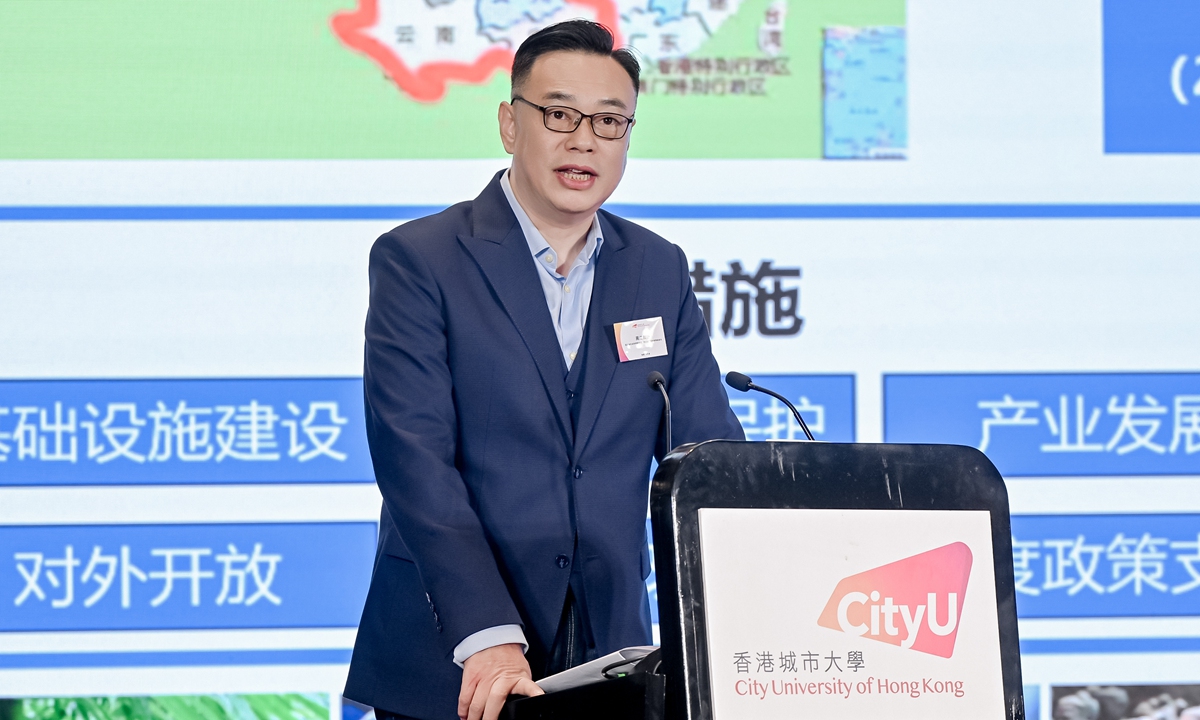
Zhou Jiang, a researcher at the Sichuan Academy of Social Sciences, has a favorite book: White Deer Tableland or Bai Lu Yuan by renowned writer Chen Zhongshi.
As vice president of the Regional Science Association of China (RSAC), Zhou told the Global Times that a lifetime of reading has profoundly shaped the way he sees and understands the world. It ultimately led him to a career in research and academia, where he teaches and pursues scholarly work.
Since earning his PhD in economics in 2000, he has devoted himself to the study of regional science and economics, a field that demands a constant crossing of disciplinary boundaries, drawing on the fields of geography, sociology, history, and ecology among others.
"Reading has kept alive my sense of curiosity and taught me to ask questions with patience and persistence: Where do disparities in regional development come from? How do policies affect different groups in society? And how can a region pursue both efficiency and equity so that development is not merely effective, but also imbued with a greater sense of humanity and warmth?" Zhou noted.
Founded in 1991, RSAC is a national academic society dedicated to advancing domestic and international academic exchange and cooperation, providing consulting services on spatial planning, urbanization, and regional development, and offering intellectual support for China's modernization drive.
The 57-year-old researcher noted that reading has empowered him in two distinct ways.
"The first is discernment. When confronted with a complex issue, I try not to settle for a simple conclusion. Instead, I make an effort to understand its broader context, how it has unfolded, and the perspectives of the different people involved," he said.
"The second is a sense of inner steadiness. Setbacks are an inevitable part of both life and work. Good books remind us that hardship is never ours alone to bear; countless people before us have faced circumstances more difficult than our own, made difficult choices, and found the strength to carry on. Reading cannot solve every problem for us, but it can help us remain calm when challenges arise, giving us the clarity and resilience that allow us not to panic or give up too easily," he said.
Historical depth
Each time Zhou returns to the White Deer Tableland, he finds something different in its pages.
"When I first read it as a young person, I was drawn primarily to the characters and the twists and turns of their lives. Later, as I began researching regional economics, I found myself paying closer attention to the changes in the land, the countryside, families and social order presented in the story. Now, approaching 60, I have come to appreciate more deeply the choices the characters make, the constraints they face, and the quiet perseverance they show amid the sweeping currents of their times," he said.
White Deer Tableland uses Bai Lu village in Northwest China's Shaanxi Province as a microcosm, tracing the feuds and intertwined fortunes of three generations of the Bai (literally meaning white) and Lu families. Through their stories, it captures more than half a century of sweeping historical change, from the final years of the Qing Dynasty (1644-1911) to the 1970s and 1980s. The novel won the Mao Dun Literature Prize, one of China's top literature awards, in 1997.
Zhou prefers literary works with historical depth and a keen eye for social change.
Regional economics may appear to be concerned with the spatial distribution of industries, population and resources, but at its heart, it is about how people live on a particular piece of land, and why some places flourish while others decline, he noted.
In this sense, literature and history are more than pastimes beyond professional research. They often help him understand the historical context, cultural traditions and social mentality that lie behind economic data, he said.
When reading novels, Zhou said that he often pays close attention to the relationship between people and the places they inhabit: How the land shapes the local character, how transportation transforms a region, and how shifts in industry reshape families and villages. Such details may not offer a direct conclusion, but they broaden a researcher's perspective. They also serve as a reminder that research should look beyond growth rates and statistical indicators to consider the sense of fulfillment experienced by ordinary people and the dignity of human beings.
Understanding ourselves
Once, while tidying his study, he came across a book filled with notes he had scribbled in his early years. Among them was a question that particularly caught his attention: "In the face of sweeping changes in the times and profound social transformation, what can a person truly determine for himself?"
Looking at those words he had written in his youth was like coming face to face with the person he had been decades ago.
Reading is not simply the act of understanding a book; it is also a record of a person's own growth, he said. The same book can reveal something entirely different when read at different stages of life.
When we are young, we turn to books in search of answers; but when we become seasoned, we read more to understand life, to understand others, and ultimately, to better understand ourselves, Zhou said.
In this era of fragmented information, AI can help people access information quickly, organize materials, and gain a basic understanding of unfamiliar fields. Yet deep reading, Zhou said, allows people to see how a conclusion is reached — what evidence supports it, where its boundaries lie, and what alternative interpretations it may invite.
What truly shapes a person, after all, is not how much information they have browsed, but the words that have made them pause and reflect - and the words that have remained with them for many years, he added.
。
Current article:http://bf7o3.shouyouxumianpouluanteng.shop/n8h4i/2h37k6.html
Published on:19:28:27