
快乐大本营
GT Voice: China-S.Korea 'cool' trade flourishes amid heat waves_我的网站

一 |
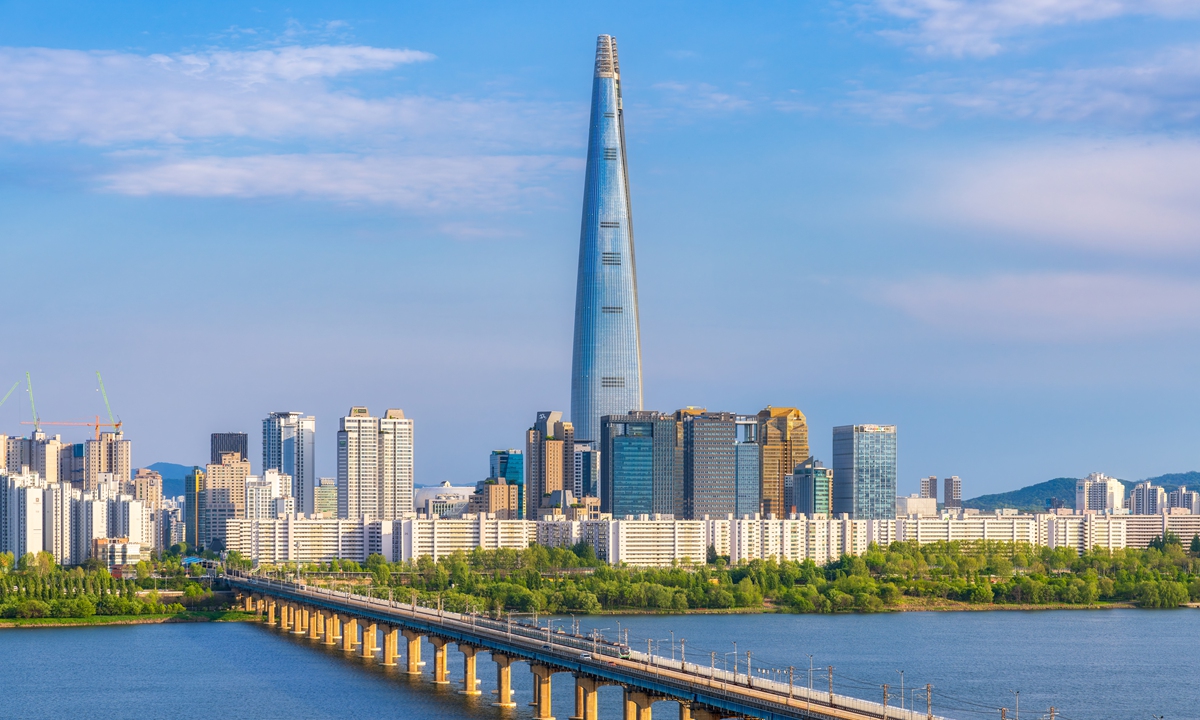
South Korea is grappling with scorching heat waves this summer, with temperatures soaring above 40 C in its capital city of Seoul for the first time since 2018. The extreme weather has dominated newspaper headlines lately, which has wreaked havoc on the people's health and agricultural production there.
For instance, with mass die-offs at the country's fish farms and catches declining, seafood prices are trending higher, according to South Korean media reports. Meanwhile, South Korean consumers' demand for cooling products is surging.
Against this backdrop, the unique strengths of China-South Korea economic and trade cooperation - characterized by flexible responses and regional short-chain supply arrangements - have been fully demonstrated.
Unlike countries in Europe and elsewhere in the West, or regions that rely on long-distance transportation, China and South Korea share geographical proximity and mature cross-border logistics system. Built through years of in-depth industrial collaboration, their circulation network drastically shortens supply chain routes and turnover cycles, delivering vital response in time of need.
Since the onset of the summer heat waves, a diverse array of Chinese-made goods - frozen beverages, portable handheld fans, pet cooling accessories and others - has flowed to the South Korean market. The rapid replenishment has provided relief to South Koreans grappling with soaring temperatures.
The "cool" trade that has blossomed between the two countries is fundamentally a story of mutual benefit and complementary strengths. While Chinese cooling supplies enter the South Korean market, Chinese consumers' demand for South Korean summer cosmetics and personal care products is heating up too. These two seemingly separate trade flows essentially reflect the deep-seated trade complementarity between the two neighbors.
Since the beginning of summer, "cool-feeling" cosmetics have become a shopping hit among Chinese consumers. Many South Korean products, featuring lightweight textures, durability and sweat-proof performance, have won growing market popularity.
The two-way trade flow is rooted in the alignment of the two countries' industrial structures and consumer needs, allowing both consumers to access what they require in the trade of "cool products" and achieve mutually beneficial outcomes.
The structural underpinnings of this synergy run deep. China's strength in agricultural production, cold‑chain infrastructure, and large‑scale manufacturing complements South Korea's prowess in beauty product research and development, good quality control and sophisticated brand operation. Most importantly, their geographical proximity allows such industrial complementarity to flourish.
From a broader perspective, global climate change seems to continue interfering with economic life in increasingly unpredictable ways. Caught in this dual pressure of escalating climate shock and global industrial restructuring, the significance of regional economic cooperation is being redefined. It is no longer limited to expanding market access and cutting operational costs; instead, it is deeply tied to safeguarding people's basic livelihoods in time of sudden unexpected disruptions.
The shortened transportation window brought by geographical proximity boosts the supply chain's response speed, enabling it to swiftly counter market volatility triggered by sudden emergencies.
The deep industrial integration that China and South Korea have nurtured over the past decades across sectors including electronics, beauty, agricultural products and cold-chain logistics has laid an exceptionally solid foundation for bilateral cooperation.
Currently, global supply chains are facing shocks from geopolitical conflicts, rising trade barriers as well as surging extreme weather patterns, leaving many long-distance global supply chains increasingly fragile and prone to sudden breakdowns.
The short-chain cooperation between China and South Korea has demonstrated that, in the era of growing uncertainties in the world, tapping deeper into regional industrial complementary advantages and building more stable and flexible cross-border industrial and supply chains is both an efficient choice to reduce circulation costs and a practical path to fend off risks to ensure industrial stability and protect people's livelihood.
。 中国女篮女篮对阵尼日利亚的三场热身赛落下帷幕,锋线球员罗欣棫的赛场表现,成为球迷讨论的焦点。凭借身材适配性,罗欣棫可以兼顾3、4号位,还能客串小球阵容的五号位,正是这份多位置适配的属性,宫鲁鸣上任之后,便希望把她打造成女篮版本的翟晓川,委以重任,但是结果下来事实并非如此。 但现实的结果却不尽如人意。此前郑薇执教时期,罗欣棫就并未获得太多重用,此番得到宫鲁鸣的充分信任,她却没能拿出匹配期待的赛场表现。 对阵尼日利亚的前两场较量,罗欣棫全部首发登场,两场比赛投篮合计10投0中,一分未得。即便遭遇如此低迷的手感,第三场热身赛,宫鲁鸣依旧选择将她放进首发名单,给足机会希望她走出进攻泥潭。 遗憾的是,罗欣棫依旧没能找回比赛状态。第三战她出战26分钟,出场时间位列全队第二,全场8投2中,三分5中1,仅仅砍下5分。

二 | 虽说抢下全队最高的7个篮板,但也要客观看到,当前内线缺少张子宇、韩旭、李月汝三大高塔坐镇。等到主力内线全部归队之后,罗欣棫也很难再拿到这样的篮板数据。

三 | 三场热身打完,罗欣棫整体投篮18投仅2中,作为一名国家队锋线,这样的进攻效率难言合格。 进攻端投射短板被无限暴露,而防守端同样问题重重。比赛里多次出现防守失位,篮下对抗卡位不到位,场上跑动盲目,经常出现乱跑失位的情况,多次送给对手轻松冲击篮筐得分的机会。不少球迷赛后直言,场上像无头苍蝇,防守漏洞明显,也对她的国家队席位提出质疑。

四 | 这种类型的摇摆锋线,在男篮赛场也能找到相似样本,就比如郭士强重点使用的赵嘉义。二人特点十分相像,持球自主进攻能力薄弱,防守上限有限,面对身体对抗强硬的欧美队伍,防守效果会大打折扣,属于功能性工兵型球员,却常常得到教练的青睐。 不可否认,如今中国女篮锋线人才储备相对薄弱,可用人选不多。但热身赛面对尼日利亚,罗欣棫都打出如此糟糕的发挥,到对抗强度更高的世界杯正赛,想要完成状态大爆发,难度可想而知。

五 | 同位置上,22岁的孙宇,正在用表现争取属于自己的机会。

六 | 对阵尼日利亚的系列赛,孙宇只获得两场出场机会,出场时间有限,却交出13投7中、合计拿下19分的高效答卷。

七 | 不仅进攻端手感火热,防守同样态度积极,拼抢十分主动。

八 | 接下来女篮将开启欧洲拉练,留给罗欣棫调整证明的时间已经不多。倘若孙宇能够延续现在的竞技状态,很有机会完成逆袭,挤掉罗欣棫,拿到最终世界杯12人大名单的入场券。

九 |
Current article:http://bf7o3.shouyouxumianpouluanteng.shop/list_6q1/ftyg.html
Published on:01:40:18


