天地男儿
独家对话新西兰前总理:现在不应该减税,外交必须中立_我的网站

A |
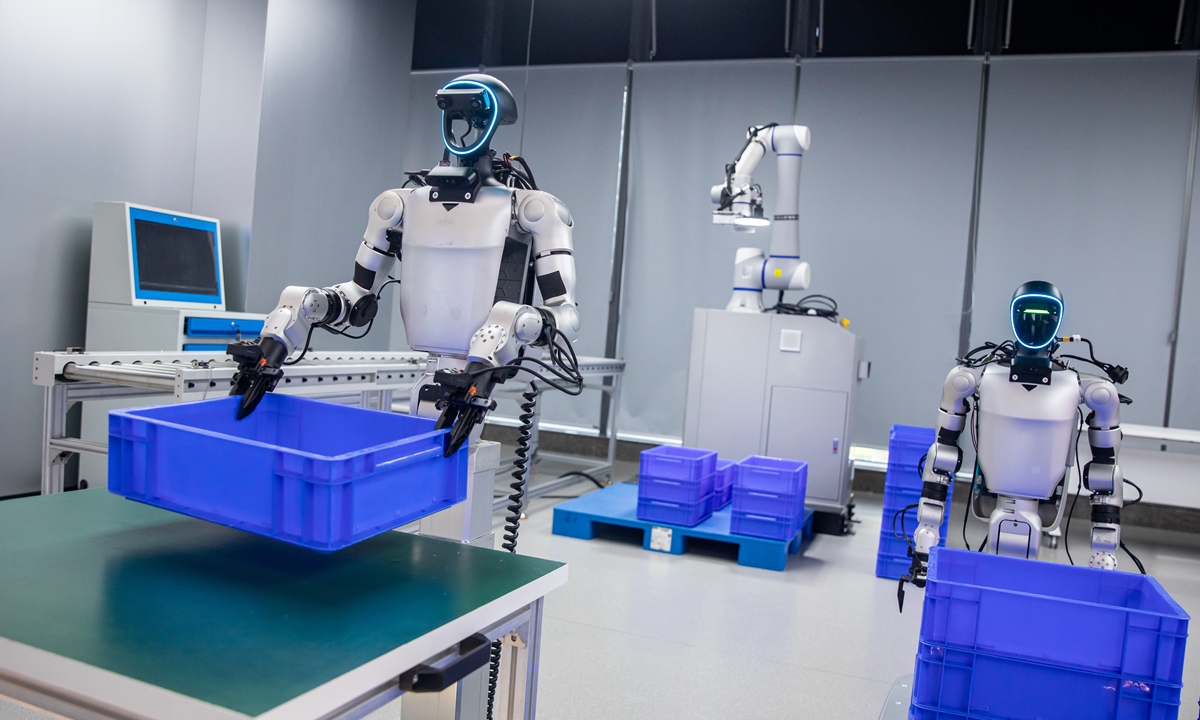
Consumer-oriented embodied AI model developer Noin Intelligence announced a 500-million-yuan ($74.1 million) Angel++ funding round on Monday, the company said in a statement, marking another major capital inflow into embodied AI models as investors turn their attention toward the "brains" behind robots.
According to the statement, the company plans to channel the funding into developing more generalizable embodied AI models, advancing iterations of its GLOW generative model, and accelerating product validation and mass production.
Industry experts noted that a broader shift in the robotics race, with competition moving beyond hardware performance toward the development of core intelligence capabilities. While hardware forms the physical foundation of robots, embodied AI models determine their ability to perceive, learn, reason and adapt in real-world environments, making them a key factor in unlocking future opportunities.
The funding momentum extends beyond Noin Intelligence, with several other companies recently securing major financing rounds that are largely focused on advancing their AI models.
On August 3, Wuxi-based embodied intelligence company DISCOVER Robotics secured a $100 million Angel+ funding round, shortly after completing its initial angel financing of more than $100 million, according to Wuxi Fabu, the official WeChat account of the local government.
The company later introduced ORION, a hierarchical embodied intelligence foundation model, as well as LOOP, a virtual-real hybrid data closed-loop system, and DISCOVERSE, a high-fidelity simulator. The solutions are designed to tackle two major challenges facing the embodied intelligence — data scarcity and limited generalization — and accelerate the development of more capable AI systems, according to Wuxi Fabu.
In addition, according to industry media reports on August 3, Ant Lingbo, Ant Group's embodied intelligence subsidiary, has launched its first round of financing, seeking to raise 1.5 billion yuan.
The company aims to complete a second funding round by the end of this year. The company later confirmed to media that it was in discussions with investors, saying that as a core initiative of Ant Group's embodied intelligence strategy, it will continue to focus on developing general-purpose robotic brains, increase investment in embodied-native technology pathways, and accelerate industrial deployment.
The shift is also reflected in the fundraising priorities of publicly listed candidates.
Notably, Unitree Robotics, which has recently drawn widespread attention from the capital market, officially opened IPO subscriptions on Monday. According to its prospectus registration document disclosed by the Shanghai Stock Exchange on June 2, the company plans to raise 4.202 billion yuan through the IPO, with nearly half of the proceeds earmarked for its intelligent robot model R&D project.
Of the total proceeds, 2.02 billion yuan will be allocated to the intelligent robot model development project, significantly exceeding the 1.11 billion yuan planned for robot body R&D, highlighting the company's focus on developing the AI capabilities that power robots.
Wang Peng, an associate research fellow at the Beijing Academy of Social Sciences, said the latest financing trend shows that capital is reassessing where the core value of robotics lies. Investors are increasingly moving beyond robot hardware itself and treating embodied AI models and robotic "brains" as high-value assets, with capital flowing more toward software, algorithms and intelligence capabilities, he told the Global Times on Monday.
The valuation framework is also being reshaped, with investors paying greater attention to real-world deployment, customer adoption and repeat demand rather than hardware specifications or corporate narratives alone. Whether robots can operate reliably in real application scenarios has become a key benchmark for investment decisions, Wang said.
He added that increased investment in embodied AI models and generative world models could help address the structural gap between general-purpose AI models and physical-world interaction by expanding the supply of real-world interaction data. Capital is also increasingly favoring companies aligned with the country's long-term industrial priorities and emerging industry development plans, he said.
According to data from IT industry research platform ITjuzi.com, financing in China's embodied intelligence sector totaled 93.5 billion yuan in the first half of 2026, surpassing 90 billion yuan and marking a fivefold increase from the same period in 2025. The number of financing deals reached 322, up 137 percent year-on-year.
As China enters the first year of its 15th Five-Year Plan period (2026-30), policy priorities are placing greater emphasis on developing emerging industries, with the country accelerating AI development and promoting its integration with various sectors, Chinese experts noted. Meanwhile, as global AI development enters a new stage driven by broader applications and deeper industry integration, embodied intelligence is expected to unlock significant growth potential.
Driven by policy support and rapid industry evolution, the nation's upstream and downstream segments of the AI industry have gained momentum, achieving notable progress.
According to a Bloomberg's Monday report, China's humanoid robot makers commanded more than 97 percent of global shipments in the first half of 2026, according to new industry data affirming the country's early lead against US rivals in the burgeoning field.
Meanwhile, global humanoid robot shipments totaled roughly 19,100 units in the first half of 2026, more than triple the 5,100 units shipped in the same period last year, according to data from Smart Analytics Global. Data further noted the California-based research firm expects shipments to rise to around 60,000 units this year and reach half a million by 2030.
。 Kenny 报道 4月17日上午,工党党魁、前新西兰总理Chris Hipkins来到中文先驱总部,接受我们的采访并问候华人社区。 从新西兰总理到反对党领袖,虽然Hipkins的角色发生了巨大变化,但不变的是他精力充沛、蓄势待发的精神状态。对话中能感受到他的思维非常敏捷,对继续领导工党热情高涨。

B | Advertise with us 整个对话只有短短30分钟,但Hipkins反复强调一点,即新西兰作为国家的唯一道路是向前,他有信心在2026年带领工党卷土重来,再续自己的总理任期。 —————— 问:大选后很多败选党魁都直接辞职了,但你选择留下来继续领导工党,是什么原因促使你做出这样的选择呢? 答:因为我认为现政府正在让我们国家处于倒退中,我认为工党能够赢得下一届大选,我觉得我们是可以领导新西兰真正向前的,所以我没有选择辞职。 问:那为什么工党没能赢得上一次大选? 答:2023年大选时我只担任了9个月的总理。当时我们国家和政府都处在一个困难的时期:国家刚走出新冠疫情,奥克兰经历了很长的封锁,生活成本危机困扰着很多新西兰人,然后还有犯罪等问题。对于竞选连任来说,这是一个充满挑战的大环境。 我在答应Jacinda接手时,就清楚知道这一点。但我依然做出了承诺,我说我会长期投入到这份工作中,这点到现在依然没有改变。人们不应指望2026年大选是2023年的重演。 问:但你会私下羡慕Jacinda Ardern和Grant Robertson吗?毕竟他们都是你的好朋友,又都选择了退出政坛? 答:我替他们感到高兴。Jacinda已经在国际上崭露头角,获得令人兴奋的新机会;我相信Grant在奥塔哥大学会有很棒的发展。我到现在依然和他们保持着密切联系。 但这就是政治的本质。人们来了,人们走了,没有人会永远在任上。我们都只是这个国家的临时受托人。就我个人来说,我依然有足够的精力从事政治,我还有很多想实现的政治目标。我相信有一天我也会离开,但不是现在。 问:你对自己的新角色(反对党领袖)有什么感想?这份工作和当总理有什么不同? 答:最大的不同在于我没有了安保。事实上如今除了一些公共活动,我很少用到安保。不像我当总理的时候,到处都有保镖跟着。不要误会,我喜欢我的保镖,他们都很可爱,但没有他们我会更自由些,也有了更多自己的时间。 另外当总理的时候,我用了很多时间接受媒体采访,但要回应每个媒体的采访要求几乎是不可能的。现在我可以有更多时间和更多元的媒体打交道,比如说来到中文先驱。 当反对党领袖和当总理是完全不同的工种,前者更容易给人负能量,因为我对现政府正在做的一些事情很有意见,我认为他们是在开倒车。

C | 比如废除全世界最先进的无烟法案,谁会做这样的事情?还只是因为税收不足?要知道英国议会正在研究我们的立法,他们计划中的无烟法案甚至比我们更严,而他们还是保守党执政! 再比如修改《资源管理法》,让煤炭开采变得更容易。这对新西兰的气候行动来说是巨大的倒退。煤炭行业属于19世纪,我不想我的孩子活在被煤烟包围的未来。与其通过开采煤炭来创造就业,为什么我们不关注可再生能源?新西兰明明处在最前沿,拥有巨大的机遇。我认为我们不应将应对气候变化视作一种负担,我认为新西兰作为一个国家,完全有理由保持乐观。 问:所以你不赞成现政府改变、甚至废除工党政府的政策?工党下次执政也会像国家党一样“以彼之道、还施彼身”吗? 答:我认为现政府不是在改变,而是在倒退。他们只是不断撤销和废除,只是推倒而没有重建。这也是国家党的最大问题——过去六年他们习惯了充当反对党角色,他们反对我们的一切,以至于自己上台后依然惯性的为反而反。

D | 这是一种往后看的思维。 下次大选后,我希望工党向前看,而不是向后看。虽然还有两年半,但我在这里可以保证,我们不会直接撤销他们的一切,或是废除他们对我们的废除,因为这样的循环只会让新西兰人厌倦。我必须制定推动国家向前的计划。 问:国家党现在有一种倾向,就是把所有国库赤字、政府裁员的锅都甩给你领导的政府,尤其涉及到财政预算编制。你对此怎么辩护? 答:我当然不认同。他们只是为了兑现自己的减税承诺,所以不停的拆东墙补西墙。他们选择为房东减税,他们威胁要削减学生的免费午餐,而这些钱完全可以放入预算编制中。 我一直都在跟他们说,现在还不是减税的时候,政府应该将减税推迟至少一年或两年,先让国家经济恢复平衡。

E | 已经有无数经济学家告诉政府,如果他们实施减税计划,最可能的结果是通胀和利率将在更长时间里保持在高位,新西兰经济从长远来看会变得更差。

F | 问:所以你觉得国家党为了兑现自己的竞选承诺,实际上牺牲了新西兰人的福祉? 答:这是绝对的。本届政府就是在牺牲新西兰的经济健康。作为打工人,你只需要知道你从减税中获得的任何好处,很快都将被你上升的生活成本所侵蚀。 问:但生活成本是在工党执政时起飞的,尤其是租房成本。 答:房市的景气和萧条不是政府能控制的。我们所能做的就是建房,建造更多经济适用房。在工党执政的六年里,我们建造了13000套新房,创造了历届政府最高的建房记录。事实上从20世纪50年代起,工党政府就专注于做这件事。当我们遇到住房紧缺问题时,最根本的解决方案就是建更多房子。但现政府让一切都停止了。 我需要指出的是,国家党一直希望对国际投资者、而不是新西兰人开放本地住房市场。值得庆幸的是,在政府内部他们无法获得所有政党的同意。

G | 但国家党乐于看到新西兰住房被出售给海外投资者,我不认为这是我们所需要的。我们需要为更多新西兰人创造机会,让他们能买到自己的住房。 问:接下来的问题有些敏感,它是关于新西兰与中国外交关系的。我们可以看到本届政府在对华关系上出现了较明显的转向,尤其是奥库斯协议。当初是工党政府最先提出探索奥库斯可行性上的,你现在还捍卫自己的决定吗? 答:在我当总理的时候,我说的是我们应该弄清楚奥库斯协议第二支柱的内容,而不是像现政府这样,在没弄清楚是什么之前就急着去签约。我不认为这是一个负责任的政府的做法。

H | 奥库斯一开始就是一个核潜艇协议,而新西兰是一个无核国家,这一点不会改变,所以我认为奥库斯的价值有限。

I | 但我们应该保持警惕和倾听,我们应该了解我们的国际伙伴的做法。我认为新西兰应该就奥库斯协议和澳大利亚、英国还有美国保持对话。 另外,我们保持独立的外交政策立场很重要。我们作为一个国家几十年来一直保持着独立的立场。不幸的是,现政府似乎在放弃这一点。 我曾经担任新西兰总理。

J | 虽然只有短短9个月,在我的任期内我访问了中国,访问了澳大利亚,访问了欧盟和北约,我努力在国际上为新西兰争取平衡的位置。我们必须拥有平衡的国际关系,这是我们独立外交政策长期以来的立足点。如果现政府做不到这一点,我会非常的失望。 问:那你觉得怎样的新中关系才是健康的? 答:新西兰与中国的关系一定会遇到挑战,这很正常。我访问中国的时候,会见了习近平主席和李强总理,我们谈到了很多希望加强合作的领域,但我们也谈到了分歧。我表达了对台湾海峡紧张局势加剧的关切,对人权问题、香港和新疆问题的担忧。在这些领域我们允许不一致,通过对话提出各自的意见,这就是健康关系的标志。 问:假如政府真的决定转向,放弃独立外交政策,你觉得新西兰人有发言权吗? 答:如果我们要背离我们的独立外交政策,对新西兰来说这意味着什么?我们为什么要这么做?我认为我们绝对应该展开一场公开讨论。 我记得国家党在竞选时曾经从各个领域攻击我,唯独在外交上和我一致,Christopher Luxon甚至在电视辩论上说“我同意Chris的所有外交政策”。

K | 我一直以为国家党和工党在这点(独立外交)上是没有区别的。现在他们开始采取完全不同的立场,这个立场甚至跟他们当反对党时都不一样。 问:你觉得会是Winston Peters劫持了政府的外交导向吗? 答:毫无疑问的,但事实是他依然代表了整个新西兰。

L | 他是我们的外交部长,他所做的一切都是从新西兰的利益出发。我对这一点并没有异议。 问:最后,能对新西兰华社说几句话吗? 答:大家好,请接受我对新西兰华人社区的问候。我想对你们为新西兰社会和新西兰经济做出的巨大贡献表示热情的感谢。我知道本地的华人有多么努力在工作,为新西兰创造就业机会和经济利益。我代表工党感谢你们,并期待利用包括元宵节在内的每一次活动,继续工党与华人社区的互动。希望在不久的将来和大家有更多交流机会。 注:本文为编译/原创,欢迎转发分享;但严禁复制等未经授权的非法使用。违反上述声明者,本网将追究其相关法律责任。使用授权请联系[email protected]。 chineseherald.co.nz All Rights Reserved 版权所有 相关内容 搞中国特色?新西兰考虑对现有高速公路收费...... 为防甲肝病毒再次侵入 新西兰发布这类水果进口新规 今晨奥克兰CBD有人被威胁并抢劫 事发繁忙街道 新西兰北岛又发生地震 逾千人有震感 33岁男子屁股脓肿呼叫急救,被拒后暴走劫救护车!律师:他还只是个孩子...... 新西兰总理:尊重“一个中国”原则,不会访问台湾 谈崩了!住院医生5月初罢工,病人请改天生病...... 为保安全 Woolworths为超市员工佩戴随身摄像头。
Current article:http://bf7o3.shouyouxumianpouluanteng.shop/h1t/iqhmaz.html
Published on:09:25:05